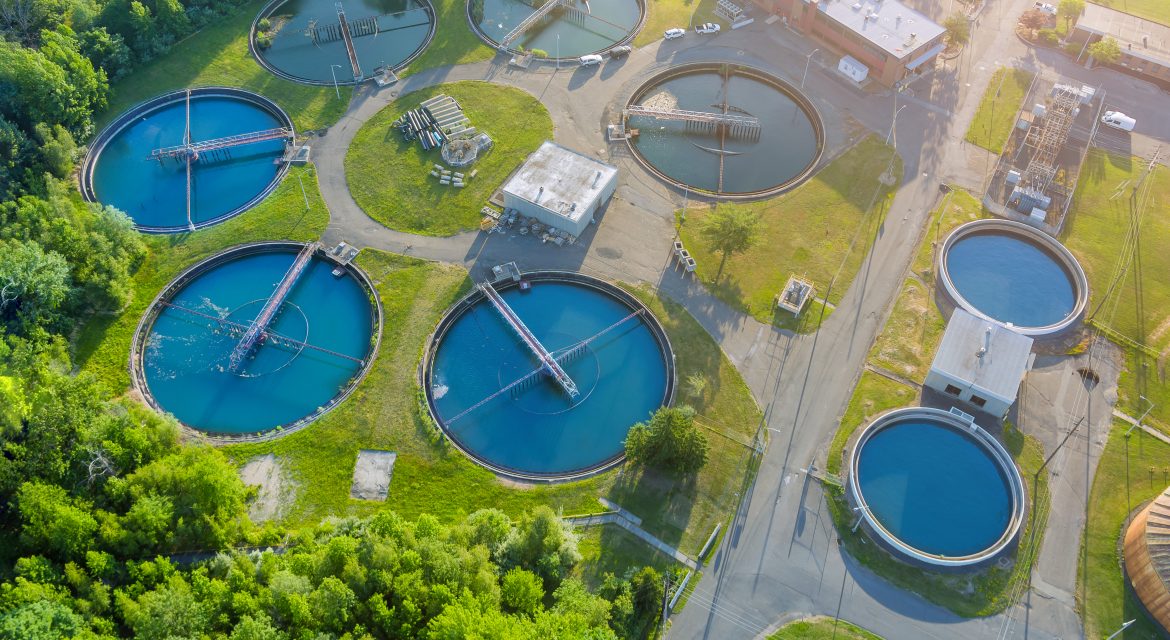
What Is Decentralized Water Treatment?
Decentralized water treatment refers to localized systems that treat water at or near the point of use, rather than sending it to a central treatment facility. These systems can serve individual buildings, communities, or campuses processing wastewater or greywater independently before reuse, discharge, or safe disposal.
These systems are modular in nature, making them easy to install, expand, and maintain. Whether it’s a remote industrial site, an urban high-rise, or a growing residential neighborhood, decentralized systems adapt to the need without overhauling city-wide infrastructure.
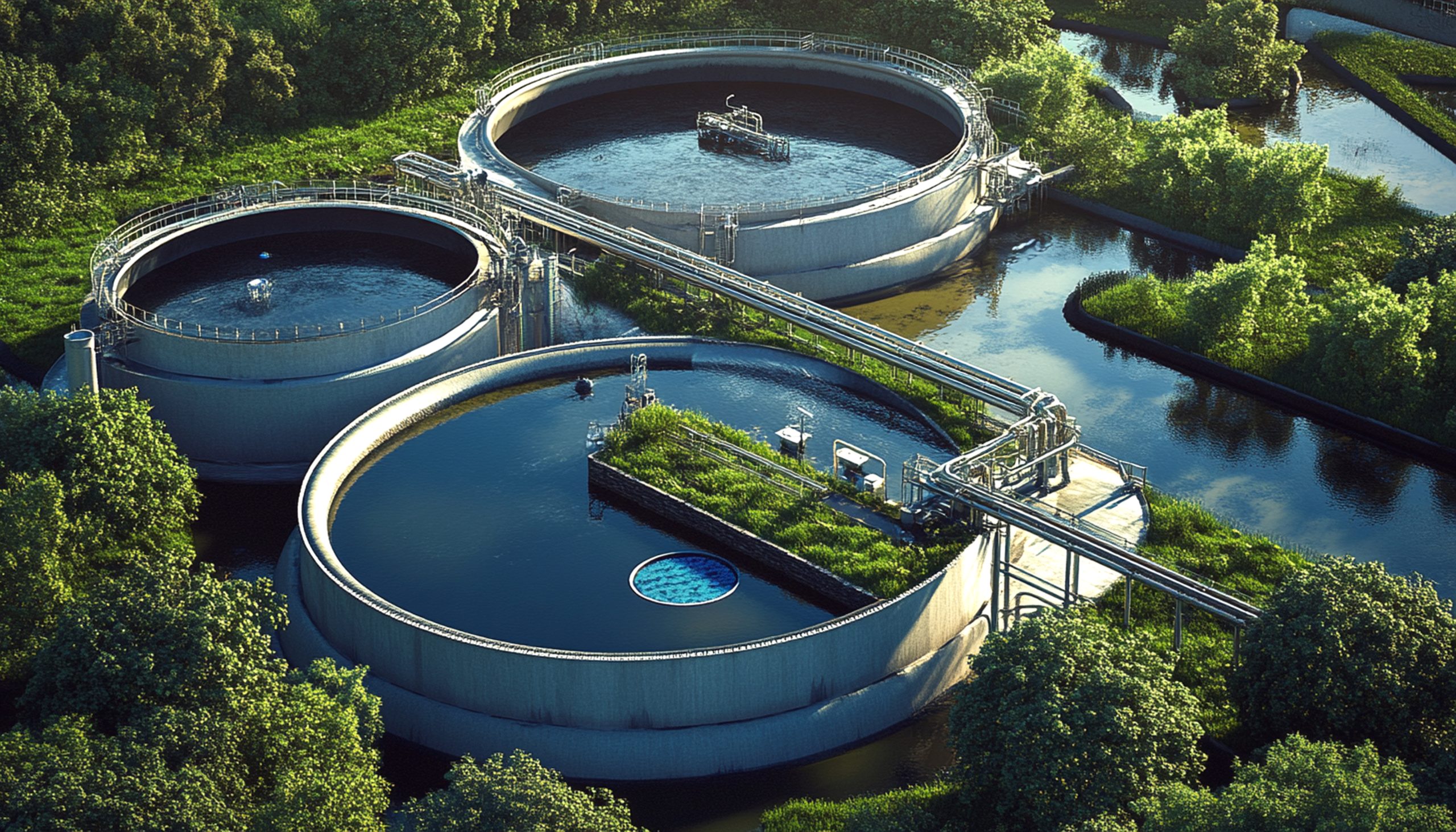
Why Urban Areas Need Decentralized Solutions
Urban growth is not always linear or predictable. In fast-growing regions, infrastructure often lags behind development. Centralized systems are expensive to scale and slow to implement. Meanwhile, urban water demand keeps increasing.
Here’s where decentralized water treatment offers an edge:
1. Faster Deployment – Modular systems can be installed and activated quickly, ideal for construction sites, new developments, or emergency response zones.
2. Reduced Network Load – By treating water at source, these systems reduce pressure on central pipelines, pumping stations, and treatment plants especially during peak loads.
3. Water Reuse and Recycling – Treated water from decentralized units can be reused for landscaping, flushing, or industrial processes, reducing the demand for fresh potable water.
4. Lower Infrastructure Cost – In many cases, it’s more affordable to deploy small-scale decentralized units than to lay kilometers of new pipelines to connect to central systems.
Key Technologies in Decentralized Systems
Modern decentralized treatment units integrate advanced treatment technologies for maximum performance within compact footprints.
Common technologies include:
- Membrane Bioreactors (MBRs) – For high-quality effluent in small spaces
- Sequencing Batch Reactors (SBRs) – Ideal for variable loads
- Moving Bed Biofilm Reactors (MBBRs) – Compact and efficient for organic load reduction
- UV and Ozone Disinfection – For safe, pathogen-free water
- Smart Monitoring & IoT Integration – Real-time data and remote controlThese systems are increasingly supported by automated monitoring, allowing predictive maintenance and system optimization crucial in areas without full-time operators.
Urban Applications of Decentralized Systems
Residential Buildings & Apartments – High-rise buildings in cities like Singapore, Tokyo, or Mumbai use decentralized greywater treatment to recycle water for flushing and landscaping.
Commercial Complexes – Shopping malls, hotels, and hospitals benefit from on-site treatment to manage high water usage and ensure compliance with discharge regulations.
Industrial Parks – Factories often install decentralized treatment systems to manage effluent internally and reduce reliance on municipal infrastructure.
Smart Cities & Green Developments – Decentralized systems align with sustainability goals by enabling circular water use, energy efficiency, and minimal environmental impact.
Sustainability and Compliance
Governments are now encouraging and in some cases mandating on-site water treatment and reuse. In Singapore, for example, PUB (Public Utilities Board) actively promotes water sustainability through NEWater and decentralized initiatives.
Decentralized systems reduce transmission losses, conserve freshwater resources, and support climate-resilient infrastructure all vital components of urban resilience.
Challenges and Considerations
While promising, decentralized water systems come with certain considerations:
- Initial CAPEX: Some technologies require higher upfront investment.
- Operation & Maintenance: Regular monitoring is essential, though automation is reducing this burden.
- Design Integration: Early-stage planning is key to ensure system compatibility with site layout and discharge needs.
Partnering with experienced engineering firms can address these concerns through tailored, cost-efficient designs.
Why Engineering Expertise Matters
Implementing a decentralized system isn’t just about installing equipment it’s about system design, compliance, performance optimization, and lifecycle efficiency. Whether it’s sizing the unit for peak demand or ensuring compatibility with smart city platforms, engineering expertise makes a critical difference.
Companies with experience in modular fabrication, fluid handling, and automation integration like YP Engineering are ideally positioned to support decentralized water solutions with precision, scalability, and quality control.
Final Thoughts
As water stress and urban expansion continue to intensify, the shift toward decentralized water treatment is both logical and necessary. These systems offer a flexible, scalable, and sustainable solution for cities that must balance growth with environmental responsibility.
With the right planning and engineering, decentralized systems can:
- Reduce infrastructure strain
- Improve local water availability
- Enhance sustainability goals
- Support smart, data-driven city planning
Ready to Build Smarter Water Systems?
With over 14 years of experience in engineering fabrication and system integration, YP Engineering helps clients across industries implement custom, high-performance solutions including those for decentralized water treatment.
Connect with YP Engineering to discuss your water management needs and explore tailored solutions for your project.