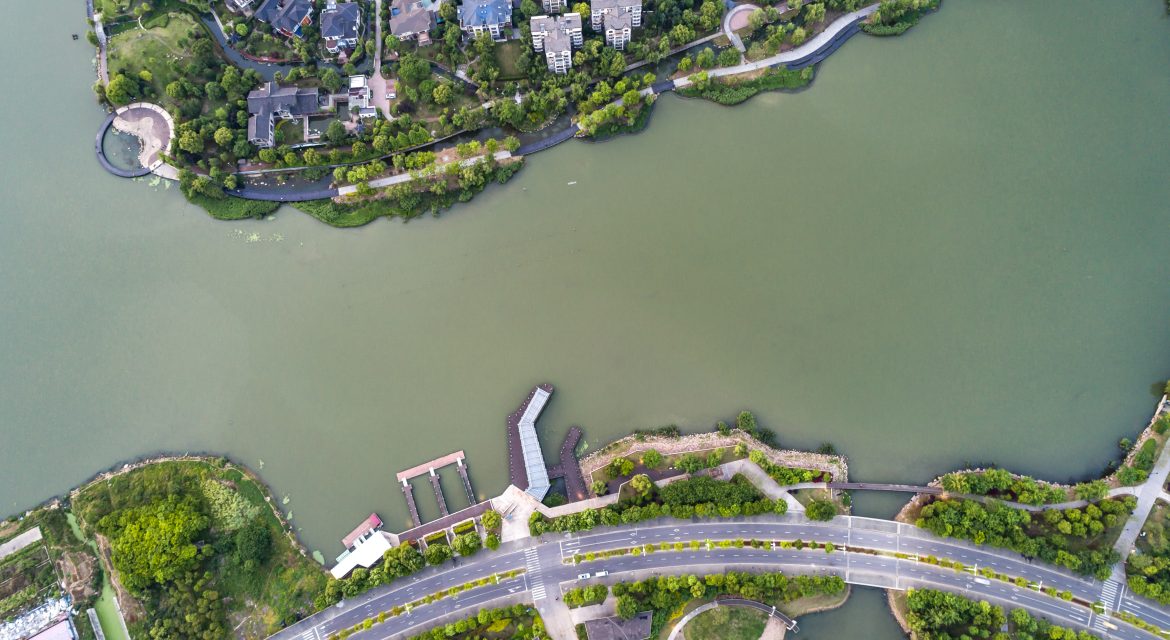
What Are Nature-Based Water Treatment Solutions?
Nature-based solutions (NbS) for water treatment use natural processes and systems to purify, filter, and manage water. These can include:
- Constructed wetlands
- Green roofs and bio-swales
- Permeable pavements
- Vegetated filter strips
- Soil-based treatment beds
- Decentralized reed bed systems
They mimic how nature has always managed water through filtration, biological breakdown, sedimentation, and plant uptake but are engineered to serve urban needs efficiently.
Why Cities Need Nature-Based Water Treatment
Modern cities face unique challenges:
- Increasing urban runoff
- Contaminated stormwater
- Ageing sewage infrastructure
- Rising energy costs
- Stricter environmental regulations
Traditional treatment plants are resource-intensive and not always scalable or flexible. In contrast, eco-friendly water systems offer multiple benefits beyond treatment including biodiversity restoration, flood prevention, carbon reduction, and aesthetic improvements.
Key Benefits of Nature-Based Water Treatment Systems
1. Low Energy, Low Maintenance
Natural systems rely on biological processes and gravity reducing electricity usage, chemical input, and long-term maintenance costs.
2. Improved Water Quality
Wetland plants and soil microbes break down organic matter, absorb heavy metals, and reduce pathogens resulting in high-quality effluent suitable for non-potable reuse.
3. Stormwater Management
Green infrastructure absorbs and slows down stormwater, reducing the risk of urban flooding while replenishing groundwater.
4. Carbon and Climate Benefits
Natural systems sequester carbon and provide shade, cooling, and air purification supporting climate resilience and reducing urban heat island effects.
5. Biodiversity & Public Spaces
Nature-based infrastructure can double as urban green spaces, attracting pollinators, birds, and offering social and recreational value to the community.
How Nature-Based Systems Work in Urban Water Treatment

Constructed Wetlands – Engineered to mimic natural marshes, constructed wetlands treat greywater and even sewage through sedimentation, filtration, and microbial action. These are ideal for decentralized or small-scale applications in schools, housing colonies, parks, or industrial sites.
Green Roofs and Rain Gardens – These absorb and treat stormwater at the source, reducing runoff, improving infiltration, and filtering pollutants before water enters municipal drains.
Permeable Pavements – Allow rainwater to percolate into the ground, reducing pressure on urban drains and naturally filtering out sediments and oils.
Bioretention Systems – Landscaped depressions filled with engineered soil and native vegetation that capture and treat stormwater effective in parking lots, streetscapes, and campuses.
Global and Local Momentum
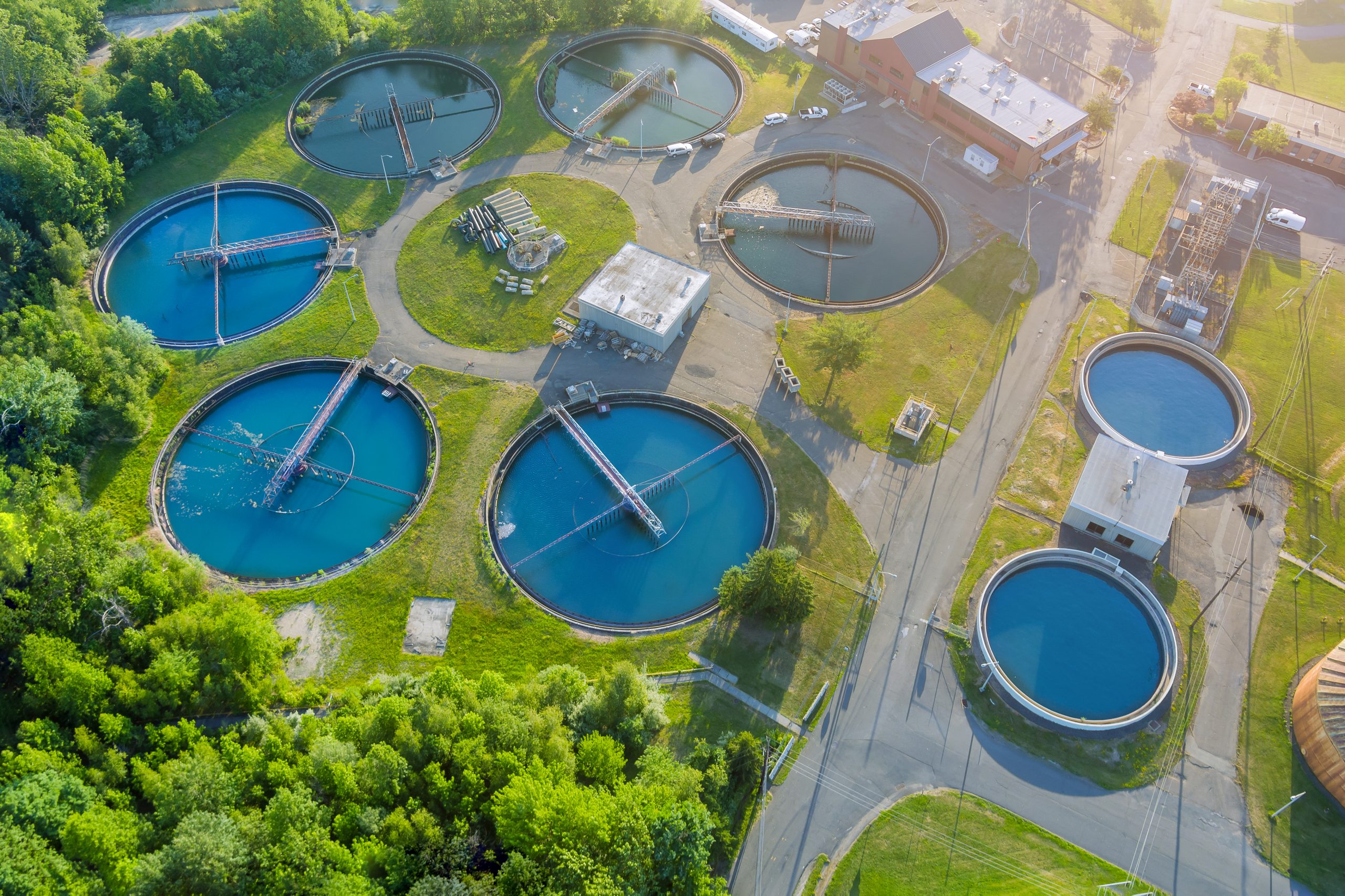
Cities across the world are adopting these sustainable systems:
- Singapore: Through its ABC Waters Programme, Singapore promotes bio-retention basins and rain gardens to treat stormwater and beautify urban landscapes.
- Copenhagen & Rotterdam: Use green roofs, permeable surfaces, and floodplains to tackle rising rainfall and sea levels.
Indian cities like Pune and Bengaluru are testing decentralized wetland systems and water-sensitive urban design (WSUD) to tackle growing water scarcity and pollution.
The Engineering Edge: Blending Nature with Science
While nature-based systems are simple in concept, successful implementation demands strong engineering design. Parameters like hydraulic retention time, load variations, plant species selection, and climate must be carefully considered to ensure performance.
Engineering companies with experience in decentralized systems, custom fabrication, and fluid dynamics such as YP Engineering can play a critical role in ensuring that nature-based solutions are functional, durable, and compliant with local water management standards.
Challenges to Address
- Space Requirements: Some solutions like wetlands and rain gardens require land, which can be scarce in dense cities.
- Public Perception: Natural systems must be designed to avoid odor, pests, or stagnation.
- Maintenance: Though low-tech, nature-based systems still need regular upkeep especially vegetation and sediment removal.
These can be managed effectively with smart design, stakeholder education, and professional maintenance contracts.
Final Thoughts
As urban environments grapple with water stress, pollution, and climate impacts, nature-based water treatment solutions offer a way forward that is both sustainable and cost-effective. By turning to nature for inspiration, cities can build resilient, adaptive water systems that meet today’s demands without compromising tomorrow’s needs.
Nature-based systems are not a replacement for centralized treatment plants but a powerful complement, especially for managing stormwater, non-potable reuse, and expanding urban footprints.
Partner with Experts in Sustainable Engineering
If you’re looking to implement eco-friendly, decentralized, or custom-engineered water solutions, YP Engineering brings over 14 years of expertise in fabrication, design, and system integration. Our team can help you plan and execute nature-inspired water infrastructure that blends engineering excellence with environmental responsibility.
Get in touch with YP Engineering to explore custom solutions for your green building or urban development project.