
In the era of Industry 4.0, industrial facilities are no longer limited to traditional methods of piping installation and maintenance. The rise of the Industrial Internet of Things (IIoT) and automation has transformed the way piping systems are designed, installed, and managed. For industries that rely on continuous operations—such as manufacturing, water treatment, pharmaceuticals, and energy—this transformation translates into higher reliability, improved safety, and lower costs.
At YP Engineering, with more than 14 years of experience delivering end-to-end engineering solutions, we specialize in integrating smart technologies into piping systems to support future-ready industrial operations.
The Shift Toward Smart Piping
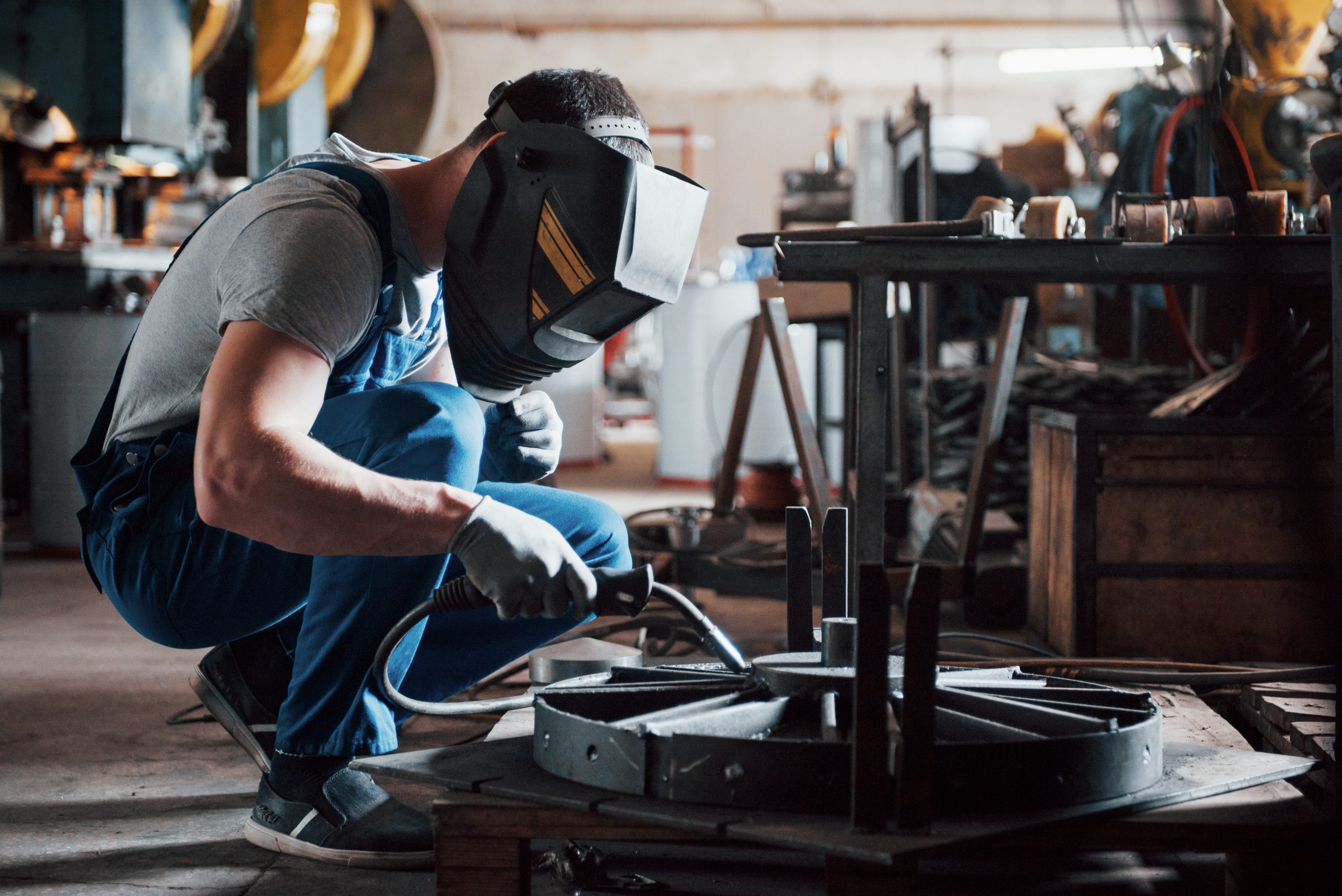
Piping systems are the circulatory networks of industrial plants. They transport critical fluids, gases, and chemicals, ensuring that processes function without interruption. However, traditional installations often face challenges such as leaks, misalignment, pressure imbalances, or hidden wear and tear.
By incorporating IIoT sensors, automation, and intelligent monitoring, smart piping systems address these issues proactively. The result is a network that not only performs its primary function but also self-monitors and provides real-time data for predictive insights.
How IIoT Enhances Piping Systems
IIoT technologies bring intelligence into piping infrastructure, enabling industries to shift from reactive responses to proactive management.
1. Real-Time Monitoring
Sensors embedded in pipelines can track temperature, pressure, flow rates, and vibration in real time. This continuous data stream ensures that operators are alerted immediately to anomalies that could compromise system reliability.
2. Predictive Maintenance
IIoT-enabled piping systems allow predictive analytics to forecast potential failures. For example, early detection of micro-leaks or corrosion helps maintenance teams intervene before small issues escalate into costly shutdowns.
3. Energy and Resource Efficiency
Data from smart piping systems can be used to optimize pump speeds, reduce energy consumption, and minimize water wastage. This directly supports sustainable energy management goals.
4. Enhanced Safety
Automated alerts and shutdown protocols improve workplace safety by preventing hazardous leaks, chemical spills, or pressure bursts.
The Role of Automation in Smart Piping Installation
Automation extends the capabilities of IIoT by ensuring systems can respond instantly to changing conditions without requiring constant human intervention.
- Automated Valves and Controls: Intelligent valves can adjust flow rates based on demand, improving efficiency and reducing wear.
- Integration with SCADA Systems: Supervisory Control and Data Acquisition (SCADA) platforms provide centralized control, enabling operators to monitor entire piping networks from one interface.
- Self-Diagnostics: Automated systems can diagnose faults, isolate problem areas, and recommend corrective actions.
This level of automation not only reduces downtime but also extends the operational life of the entire piping network.
Benefits of Smart Piping for Industrial Facilities
Adopting IIoT and automation in piping installation delivers tangible benefits across industries:
- Higher system reliability through real-time monitoring and predictive maintenance
- Cost savings by reducing unplanned downtime and optimizing resource use
- Improved compliance with environmental and safety regulations
Scalability to support future expansion and integration with other smart systems
YP Engineering’s Approach to Smart Piping Installation
At YP Engineering, we combine our engineering expertise with modern digital technologies to design and install smart piping systems that meet today’s industrial challenges. Our approach includes:
- Customized piping design tailored to process requirements and industry standards
- Integration of IIoT sensors and automation for intelligent system management
- End-to-end project execution, from planning to commissioning and maintenance
- Future-ready solutions designed for scalability and long-term sustainability
With our multidisciplinary expertise in mechanical, electrical, and control systems, we ensure piping installations integrate seamlessly with broader facility infrastructure.
Conclusion
The future of industrial piping lies in intelligence and automation. By adopting IIoT-enabled smart piping installations, industries gain more than reliability—they unlock cost savings, safety improvements, and a competitive advantage in efficiency.
At YP Engineering, we deliver smart piping solutions that combine innovation, precision, and long-term value.
Looking to enhance the reliability of your industrial piping systems? Contact YP Engineering today to explore how smart piping installation can transform your operations.