Over the past decade, Artificial Intelligence (AI) and automation technologies have significantly reshaped the global industrial landscape. From smart factories to automated welding systems, the engineering sector is undergoing a quiet revolution one that’s altering not only how things are made but also how engineers work, learn, and evolve.
For companies in fabrication, CNC machining, and precision engineering, understanding these changes is more than just keeping up with technology. It’s about future-proofing the workforce, rethinking operational strategies, and embracing innovation without losing the human touch.
A Shift from Manual to Intelligent Systems
Traditionally, engineering and manufacturing jobs involved repetitive tasks, heavy machinery handling, and manual calculations. Today, many of those operations are being streamlined with intelligent automation machines and software that can analyze data, detect flaws, and even make minor decisions on the production floor.
In sheet metal fabrication, for example, AI-driven laser cutters can now detect material inconsistencies, optimize cutting paths in real-time, and drastically reduce waste. Similarly, CNC machining benefits from predictive maintenance systems that alert operators before breakdowns occur, increasing efficiency and minimizing downtime.
Redefining the Engineer’s Role
One of the most misunderstood aspects of automation is the fear of job loss. While it’s true that some repetitive roles are becoming obsolete, automation is also creating new job profiles that require different skill sets. Engineers are now expected to be digitally literate, familiar with data interpretation, programming logic, and process optimization.
The modern engineering role is no longer just about machines and blueprints. It’s about system integration, real-time problem-solving, and collaborating with AI to deliver better results.
Upskilling: The Need of the Hour
For engineering companies, especially those operating in competitive regions like Singapore, the focus is now on upskilling the workforce. Training in CAD/CAM software, robotic process automation (RPA), and AI-based monitoring systems has become essential.
Workshops, certifications, and cross-disciplinary learning are becoming part of the internal culture. This isn’t just to keep up with tech it’s to ensure that engineers remain central to the decision-making loop, even as machines become more autonomous.
Quick Stats:
- According to Deloitte, 64% of manufacturing tasks are expected to be automated by 2025.
- Singapore’s Smart Industry Readiness Index encourages small and mid-sized engineering firms to adopt AI and automation with a human-centric approach.
Challenges in Adoption
While the benefits of automation are clear faster production, reduced error margins, and better scalability implementation comes with its challenges:
- Cost of technology: High initial investment in smart machinery or AI systems can be daunting for SMEs.
- Skill gaps: Not all existing workers are ready to transition into tech-centric roles.
- System integration: Merging legacy systems with modern automation can create technical bottlenecks.
That’s why many engineering firms opt for incremental automation starting with low-risk processes like inventory management, quality inspection, or basic welding automation, before scaling further.
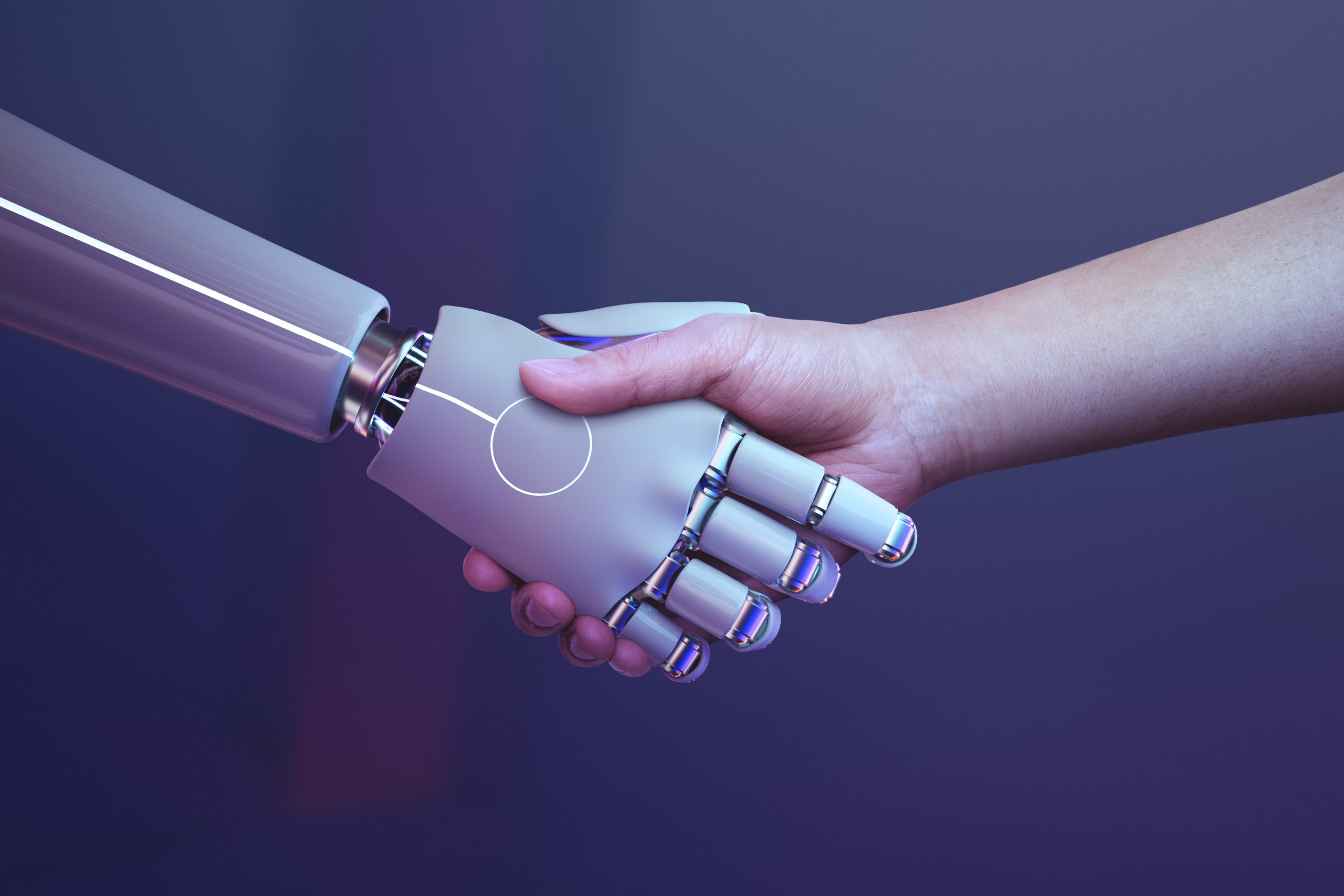
The Human-Machine Balance
The Road Ahead for the Engineering Sector
As we move into 2025 and beyond, the lines between digital and mechanical engineering will continue to blur. New opportunities are emerging in:
- AI-powered design simulation
- Digital twins in manufacturing
- IoT-enabled factory monitoring
- Sustainable automation practices
Engineering firms that invest in reskilling, adaptable workflows, and customer-specific innovation will be best positioned to thrive in this AI-driven landscape.
Looking Ahead with the Right Partner ?
As the engineering world evolves, so should your partners. At YP Engineering, we believe in combining technological precision with deep domain expertise. With over 14 years of experience in serving global clients from Singapore, we are well-versed in aligning traditional fabrication processes with future-ready automation strategies without compromising quality, compliance, or client goals.
If you’re navigating the shift toward smarter operations and need a reliable partner for precision fabrication, CNC machining, or automation-ready engineering solutions, we’re here to support you every step of the way.
Reach out to YP Engineering to discuss your next project or explore how automation can enhance your production efficiency.
Final Thoughts
AI and automation are not threats to engineering they are tools of empowerment. When paired with a skilled, adaptive workforce, they unlock new levels of performance, safety, and innovation. The future of engineering isn’t about replacing people. It’s about working smarter, not harder