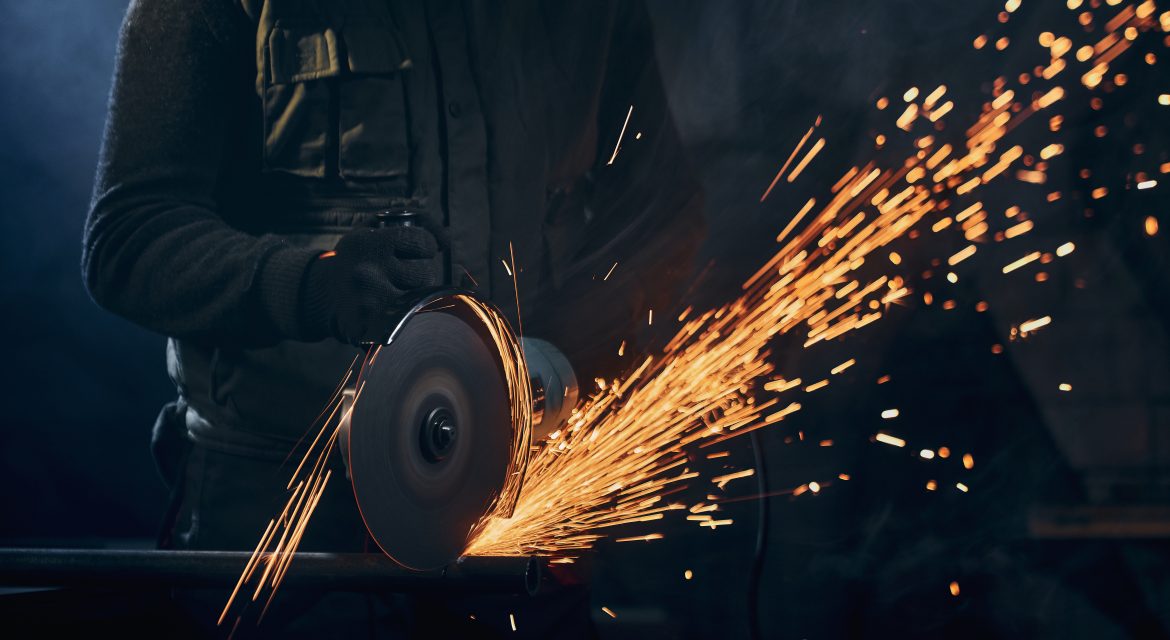
In the world of modern engineering and manufacturing, three processes form the foundation of metalworking: welding, machining, and fabrication. Each of these plays a critical role in transforming raw materials into functional components and finished products across sectors like construction, oil & gas, marine, and heavy industries.
For companies in Singapore, where precision, quality, and efficiency are non-negotiable, understanding these core processes is essential for making informed decisions on engineering services. Whether you’re building complex structures or maintaining industrial equipment, knowing what each process entails helps you choose the right approach or partner for your project.
In this blog, we’ll break down welding, machining, and fabrication, explaining what they are, how they work, and where they’re used.
What is Fabrication?
- Cutting (laser, plasma, or oxy-fuel)
- Bending or rolling
- Welding and joining
- Surface finishing (painting, powder coating, sandblasting)
Where It's Used:
- Structural steel in buildings
- Shipbuilding and marine infrastructure
- Equipment frames, tanks, ducts, and skids
- Custom-engineered industrial parts
Why It Matters in Singapore:
With land constraints and space-efficient building needs, custom metal fabrication plays a vital role in urban development projects and industrial upgrades. Companies need fabrication services that are fast, flexible, and tailored to specific requirements.
What is Machining?
Machining is a subtractive manufacturing process where material is precisely removed from a workpiece to achieve a desired shape or dimension. This includes techniques such as:
- Milling – using rotary cutters to remove material
- Turning – rotating the part while a cutting tool shapes it
- Drilling – creating precise holes
- Grinding – achieving fine finishes or tight tolerances
Modern machining is typically done using CNC (Computer Numerical Control) machines that offer:
- High precision
- Repeatability
- Tight tolerances (often in microns)
Where It's Used:
- Aerospace parts
- Medical device components
- Automotive and marine parts
- Tool and die making
Why It Matters in Singapore:
Singapore’s manufacturing industry is shifting toward high-mix, low-volume and precision manufacturing. CNC machining supports this shift by delivering accurate, consistent, and complex parts at scale. It’s essential for sectors demanding zero-error tolerance and performance-critical components.
What is Welding?
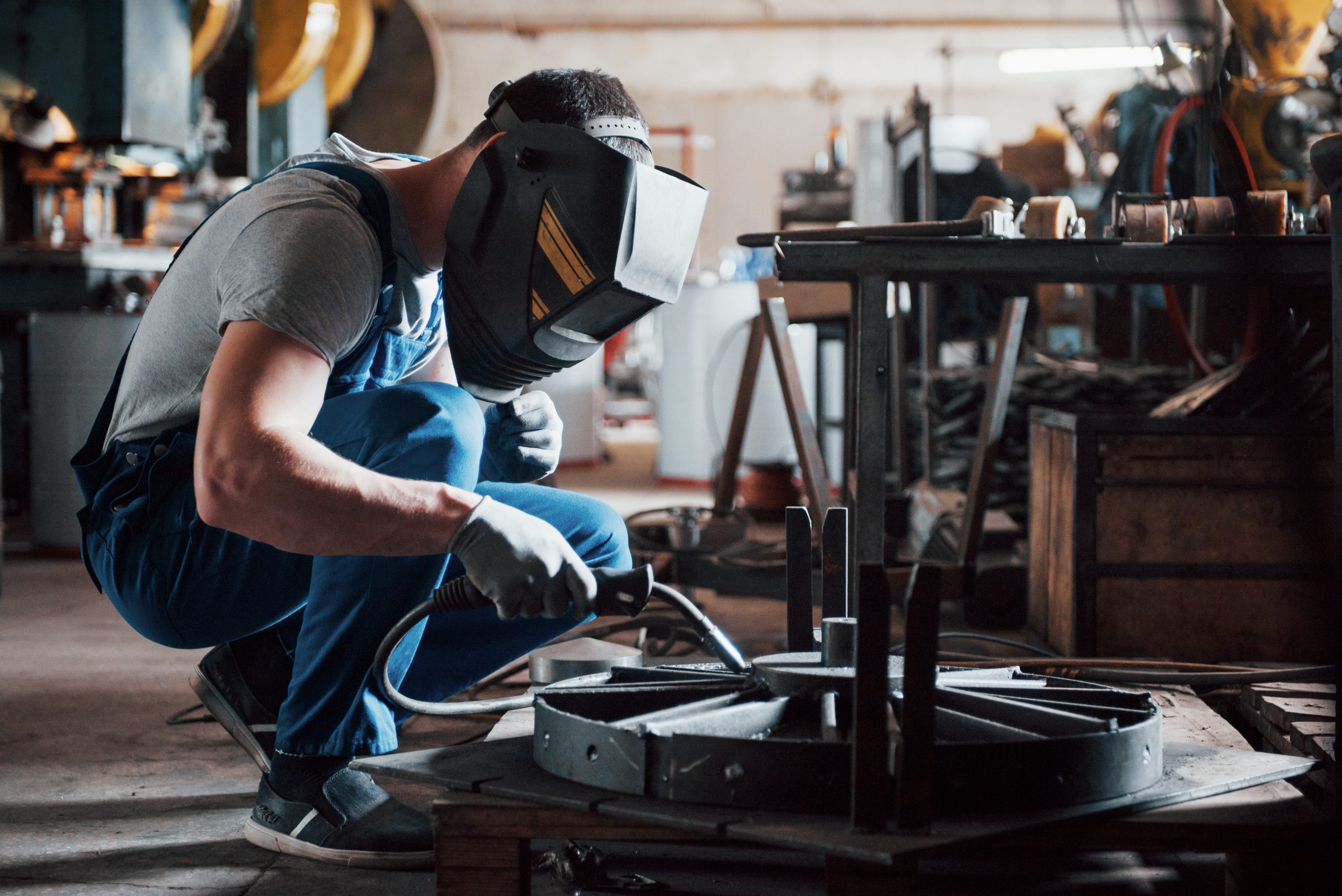
Welding is the process of joining two or more pieces of metal by applying heat, pressure, or both. It’s used to create permanent, strong joints and is a critical part of both fabrication and repair work.
Common welding techniques include:
- MIG (Metal Inert Gas) – fast and good for production runs
- TIG (Tungsten Inert Gas) – precise, clean welds
- Stick Welding (SMAW) – suitable for outdoor and heavy-duty jobs
- Flux-Cored Arc Welding (FCAW) – for thicker materials
Where It's Used:
- Pipe and structural steel fabrication
- Offshore rigs and marine applications
- Rail, automotive, and aerospace assemblies
- General metal repairs and modifications
Why It Matters in Singapore:
With industries like offshore & marine, semiconductor equipment, and infrastructure dominating Singapore’s landscape, expert welding services are vital. The demand is especially high for certified welding processes that meet global codes like ASME, AWS, or API.
How These Processes Work Together
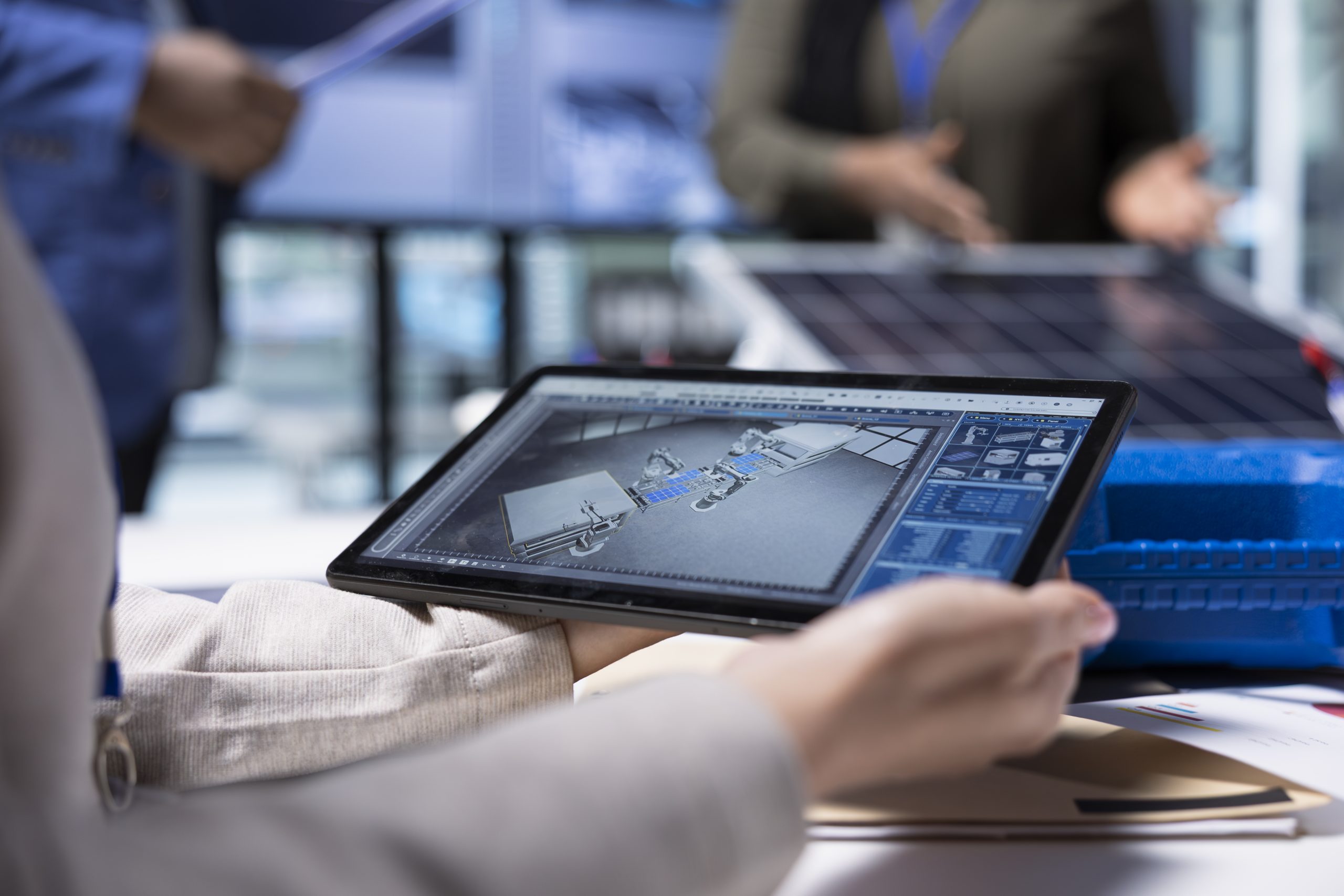
While each process stands on its own, most metal manufacturing projects require a combination of fabrication, machining, and welding. Here’s how a typical workflow may look:
- Fabrication: Raw sheets or tubes are cut and bent to the required shape.
- Machining: Precision cuts, holes, or threads are added.
- Welding: The parts are assembled and joined into a final product or sub-assembly.
- Finishing: Surface treatments or coatings are applied for corrosion resistance and appearance.
This integrated approach ensures parts are both structurally sound and dimensionally accurate, a must-have in today’s competitive industrial environment.
The Singapore Engineering Perspective
Singapore’s strategic location, strong regulatory standards, and technology-forward mindset make it a hub for engineering excellence. However, challenges like:
- Rising material costs
- Skilled labor shortages
- Tight project timelines require smart solutions.
That’s why more companies are turning to integrated engineering firms that can handle all three processes welding, machining, and fabrication under one roof.
Choosing the Right Partner for Your Engineering Needs
If your project involves custom metalwork, choosing the right engineering service provider is crucial. Look for teams that offer:
- ISO-certified or industry-compliant processes
- Skilled technicians with years of hands-on experience
- Modern CNC equipment and welding stations
- Commitment to safety, quality, and delivery timelines
Final Thoughts
Whether you’re building complex industrial systems, maintaining marine assets, or fabricating custom equipment, welding, machining, and fabrication are the backbone of success. Understanding how these processes work and how they complement each other helps you make smarter decisions for your operations.
Get End-to-End Engineering Support in Singapore
With over 14 years of expertise, YP Engineering delivers high-precision fabrication, welding, and machining solutions tailored to Singapore’s industries. From one-off custom jobs to full-scale production, we’re equipped to handle every stage of your project, with quality, speed, and reliability.
Contact YP Engineering today to discuss your next metalwork or fabrication requirement.